Video production x AI
It’s no secret that AI is getting (scarily and excitingly) better and better by the day. But, how and will it affect the video production industry? Will there come a time where humans aren’t needed at all for filming or editing? Below are just a few points about how AI can help enhance certain aspects within the industry. Do you think some of them are valid or are you completely against the idea of using AI as a tool for video production?
1. Automated editing
Editing can be one of the most time consuming stages of video production. But with the help of AI-powered tools, we could significantly speed up this process; potentially reducing editing time in half. AI tools can now analyse hours of footage, select the best clips, arrange them into a coherent sequence and can even apply cool transitions and effects. AI can therefore do more than speed up the editing process, it can also make video editing more accessible to those who are still developing their skills and experience.
2. Advanced colour correction and grading
Colour correction and grading are an essential part in the post-production process and it’s so important to get it right. Whilst there are already some useful plugins to help with colour grading, there’s nothing that actually does it automatically yet. But this is where AI could be beneficial. AI can analyse footage and automatically adjust colours to achieve a desired look or mood. These tools can learn from a reference image or video and apply a consistent colour grade across all clips, ensuring a more professional and cohesive final product; pretty useful, no?
3. Enhanced visual effects
Much like the editing process, VFX work can be quite timing consuming, laborious and often requires a high level of expertise. With the help of AI though, this process too can be simplified by automating the creation of complex effects, such as 3D animations etc. Whilst this may help speed up the process and lower the production cost, we have to question how effective AI prompting really is.
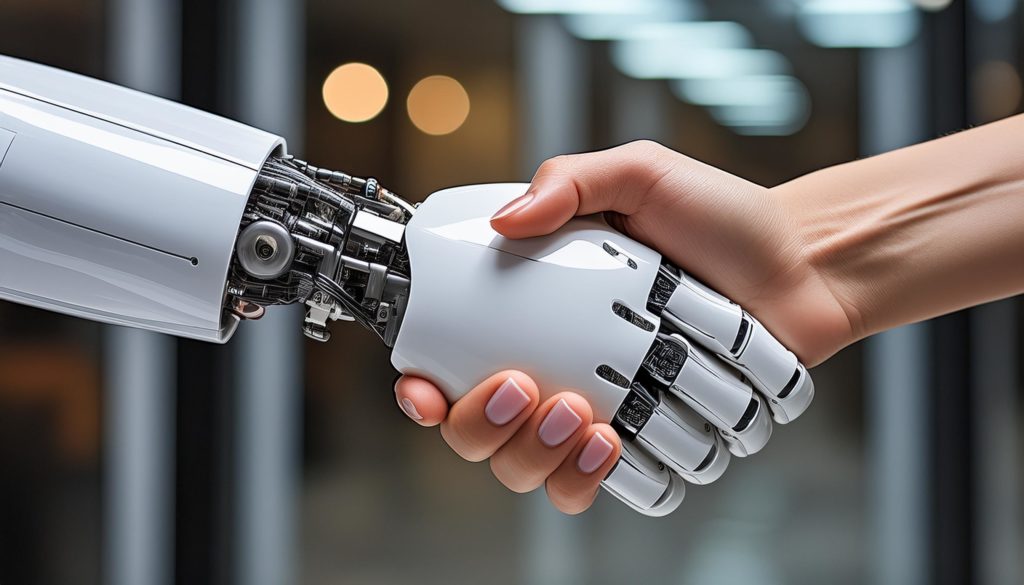
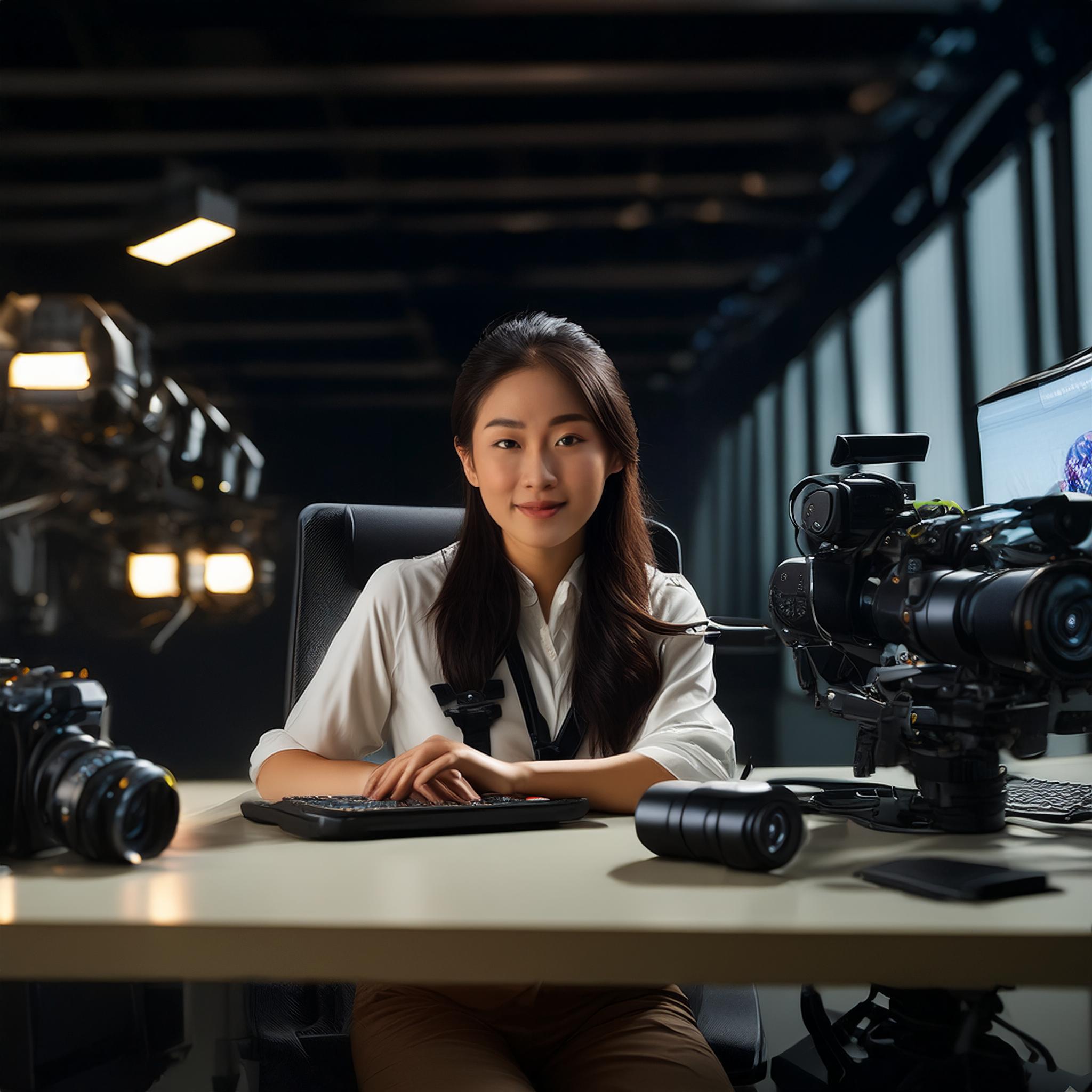
For example, when we tried to use prompts to search for images photo for this blog, we got some very questionable results… Using Adobe Firefly, check out some of the generated images we got. What is it about hands that AI finds so difficult? I think it’s safe to say that AI won’t be replacing us humans just yet…

4. Improved storyboarding and scriptwriting
So, we’ve seen how AI can be useful when it comes to the post production stages of video production. But, how can it help with pre production? AI tools can assist with scriptwriting by suggesting points, dialogues, and voiceovers, based on certain key messages, inputted by us. They can also analyse existing scripts and recommend improvements in order to improve the overall narrative. Additionally, AI storyboarding can also generate visual representations of these scripts, helping directors, DOPs and producers visualise scenes before they are even filmed.
6. Efficient production management
AI-driven project management tools are already being used across multiple industries so why not for video production too? Although we use monday.com as our main production platform, AI could help by scheduling shoots, managing budgets, tracking the production progress, and even predicting potential issues before they arise. By leaving these tasks in the hands of AI, producers could focus on the more creative aspects of video production and in turn, speed up the process by reducing the administrative workload.
In conclusion
We can’t deny that AI has grown and improved drastically within the last few years. However, like most things, there are still some positives and negatives/draw backs to using it. Whilst in some cases, like colour grading, it can be a super beneficial tool, in others, it could be seen as a disadvantage. For example, we could never generate an image using Firefly and send it directly to a client without checking it over first.
As AI technology continues to evolve, could the future of video production be more efficient, creative and accessible than ever before? We’ll have to wait and see!