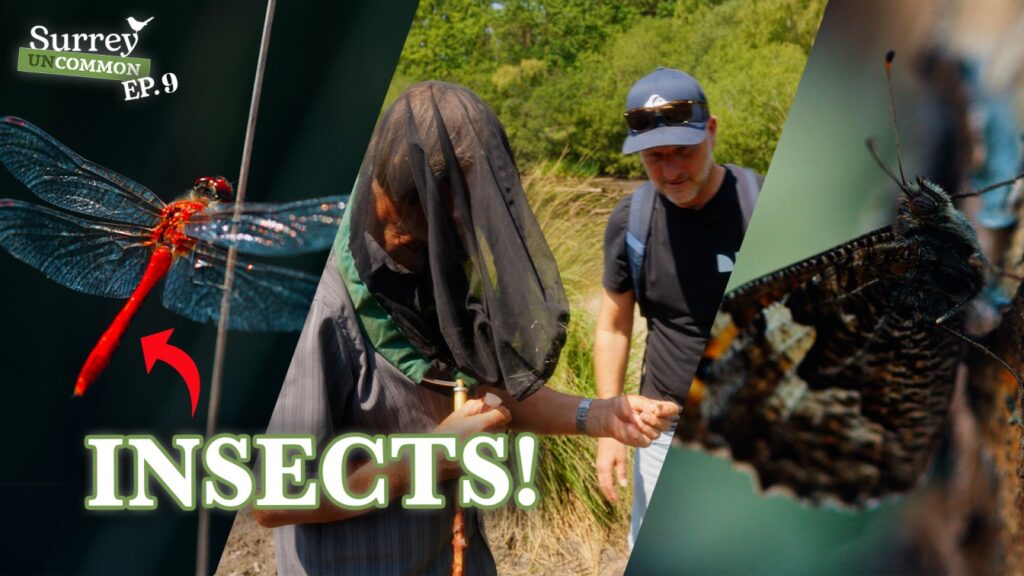
Surrey Uncommon | Episode 9
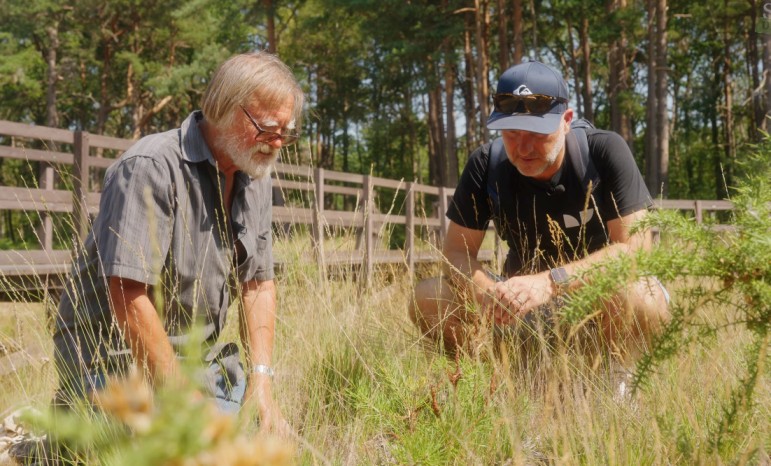
When we think about wildlife, it’s easy to focus on the bigger things. But what about the smaller creatures that often go unnoticed? From pollination and pest control, insects play a vital role in keeping our ecosystems healthy. We headed to our local Horsell Common to discover the fascinating world of insects with Andrew Halstead, retired RHS entomologist and trustee of the Horsell Common Preservation Society. From solitary bees and grasshoppers to dragonflies and tiger beetles, we’re exploring the incredible diversity of insect life found across Surrey’s heathlands, and why these often-overlooked creatures deserve a little more attention.
Creepy crawlies
As we know, Horsell Common is a great space for discovering wildlife. Thanks to its unique heathland habitat, the sandy and open areas provide ideal conditions for a range of species, particularly those that thrive in warm, dry environments. One of the Common’s insect hotspots is the Sandpit, an area with a long history of open ground and relatively little tree cover. Its sheltered position creates a warm microclimate that makes it especially attractive to insects. 🪲🦋🦗🐞🌳
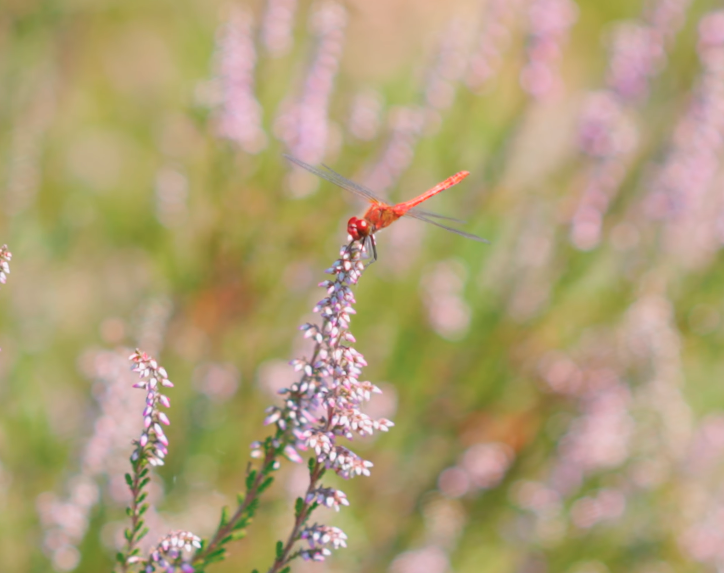
We continue our search towards Danewell, a rainwater-fed pond that supports another range of insect life. Although the conditions are particularly dry during our visit, (because of the heatwave summer) dragonflies can still be seen patrolling the area. Among the species found here are emperor dragonflies, damselflies and broad-bodied chasers. These agile predators catch insects in flight, while their aquatic nymphs feed on smaller creatures in the water.
Are insects in trouble? 🐛
It’s easy to think of insects as troublesome garden pests, but their contribution to the natural world is very important. Insects help break down dead plant and animal material, recycle nutrients, aerate the soil and provide an essential food source for birds, mammals and reptiles. Without these small but essential workers, our ecosystems would look very different. When chatting with Andrew, he explained that while some insect species have become more widespread, others have disappeared from parts of Surrey completely. Due to their size, declines in certain species may go unnoticed until it is no longer being found in places, where it was once familiar.
Climate change is also massively affecting insect populations. Warmer conditions have allowed some species to expand their geographical range, while changes in temperature and rainfall can affect the availability of suitable habitats and food. Andrew also informed us that he carries out biennial insect surveys in the Sandpit area, helping to document the species present and support the ongoing management of the Common.
These surveys provide valuable information about the health of the habitat and how its insect populations change over time.
Watch episode 9 now
Check out the full video below.👇🏼 If you haven’t already, please like and subscribe to our Surrey Uncommon YouTube channel. 🩷🔔 Missed the latest episode? Catch up here and see you all on Episode 10. 👋🏼🎥