How to turn your brand’s YouTube into a growth engine
Most B2B companies treat their YouTube channel like a dusty filing cabinet—a place where Zoom recordings and long-winded webinars go to die. But your YouTube channel shouldn’t just be a depository; it should be a destination. Moving from a “video dump” to a high-performance marketing channel requires a shift in strategy. Here is how to overhaul your presence to build authority and engage your audience.
1. First impressions: the “storefront” audit
Before a user clicks play, the first thing they see your storefront. If your channel looks cluttered, they’ll assume your product or service is too.
- The profile & banner: Keep the profile picture simple and update the banner to reflect your brand. Use your banner to state your value proposition clearly and make sure to include your logo.
- The description: Don’t just say who you are; say who the channel is for. Define the “why”: e.g. “We provide developers and security teams with tutorials, real-world case studies, and deep-dive webinars.”
- Thumbnail consistency: Stop using auto-generated frames. Every thumbnail needs a consistent brand style, readable text and a clear benefit.
2. Content quality: polish over “post and forget”
B2B doesn’t have to be boring. Even a technical demo should feel sharp.
- Kill the Dead Air: Audit your existing library. Trim those awkward “Can everyone see my screen?” intros and long pauses. If a video is outdated or irrelevant, unlist it.
- The “Pro” Touch: While Zoom recordings are fine for quick updates, your flagship case studies should be filmed professionally. High production value signals a high-value product.
- AI Enhancement: If the original audio is muffled, don’t be afraid to use high-quality AI voiceovers or add subtle background music to maintain pacing.
3. The power of “shorts” and playlists
Attention spans are a currency. Organise your content so users can find exactly what they need at the speed they want it.
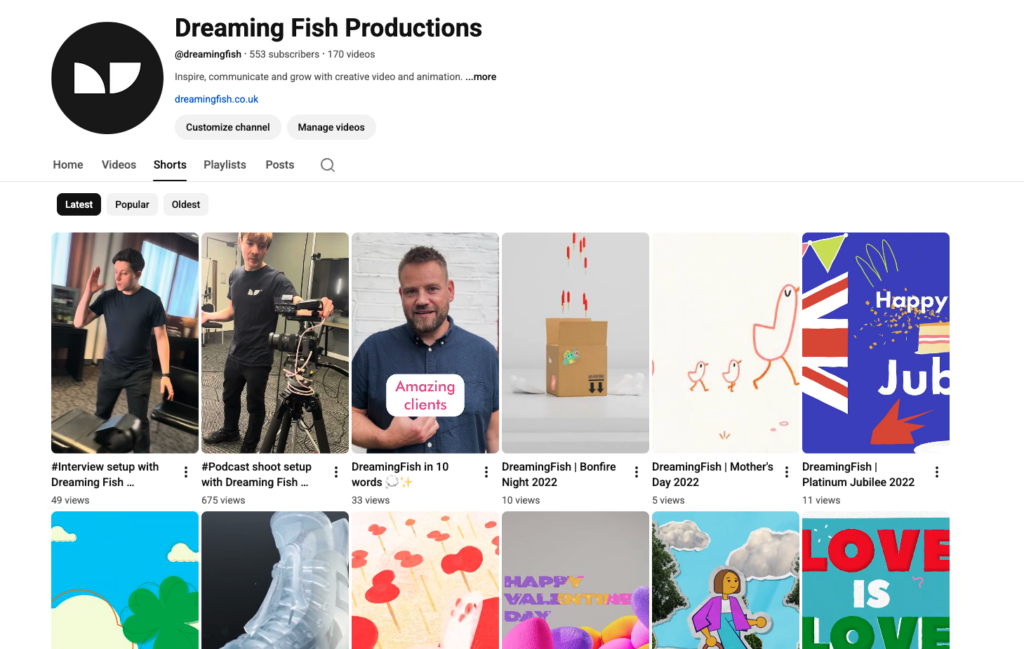
- 9:16 Shorts: Take your 16:9 explainer videos and chop them into 10–30 second “sound bites.” Every Short should include subtitles and—most importantly—a link back to the full-length video.
- Smart Playlists: Don’t just have one “Videos” tab. Create dedicated buckets:
- Tutorials & Tips: How to start and common tasks.
- Case Studies: Big-name success stories.
- Webinars: Edited into digestible, chaptered clips
4. The loop: measure, adjust and engage
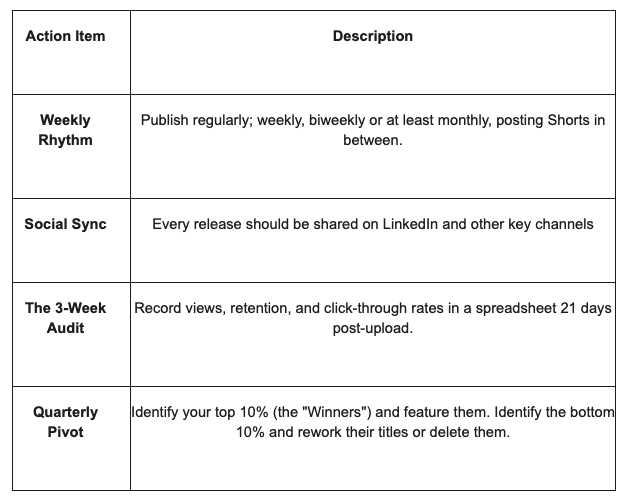
A successful channel is a living organism. It requires a feedback loop to stay healthy.
5. Build a community, not just an audience
YouTube rewards engagement. Stop talking at your viewers and start talking with them. In every video, ask your audience:
- “What problem are you currently stuck on?”
- “What should we cover next?”
When you create a video that directly answers a commenter’s question, you don’t just get a view—you get a brand advocate for life.
6. From depository to destination
Moving your YouTube strategy from a “video graveyard” to a growth engine isn’t just about better content; it’s about respecting your viewers’ time. Your channel is often the first “handshake” a potential client has with your brand.
By auditing your old content, sharpening your thumbnails, and leaning into the high-velocity world of Shorts, you transform a static library into an active community. Stop hitting “upload” and start building a broadcast strategy. When you treat your channel like a product, measuring its “bugs” (low retention) and posting regular updates—you don’t just gain subscribers; you build a loyal audience.