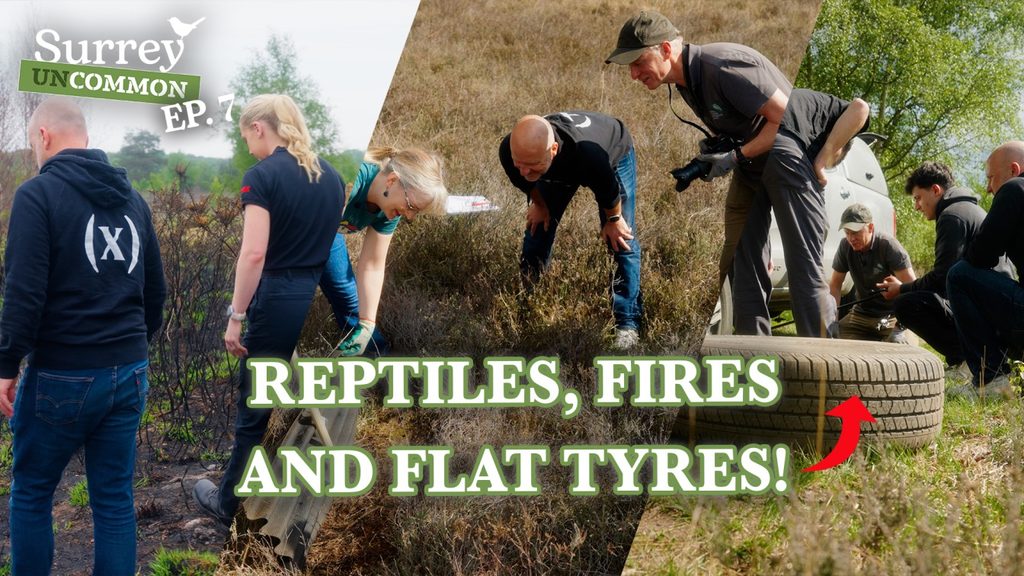
Surrey Uncommon | Episode 7
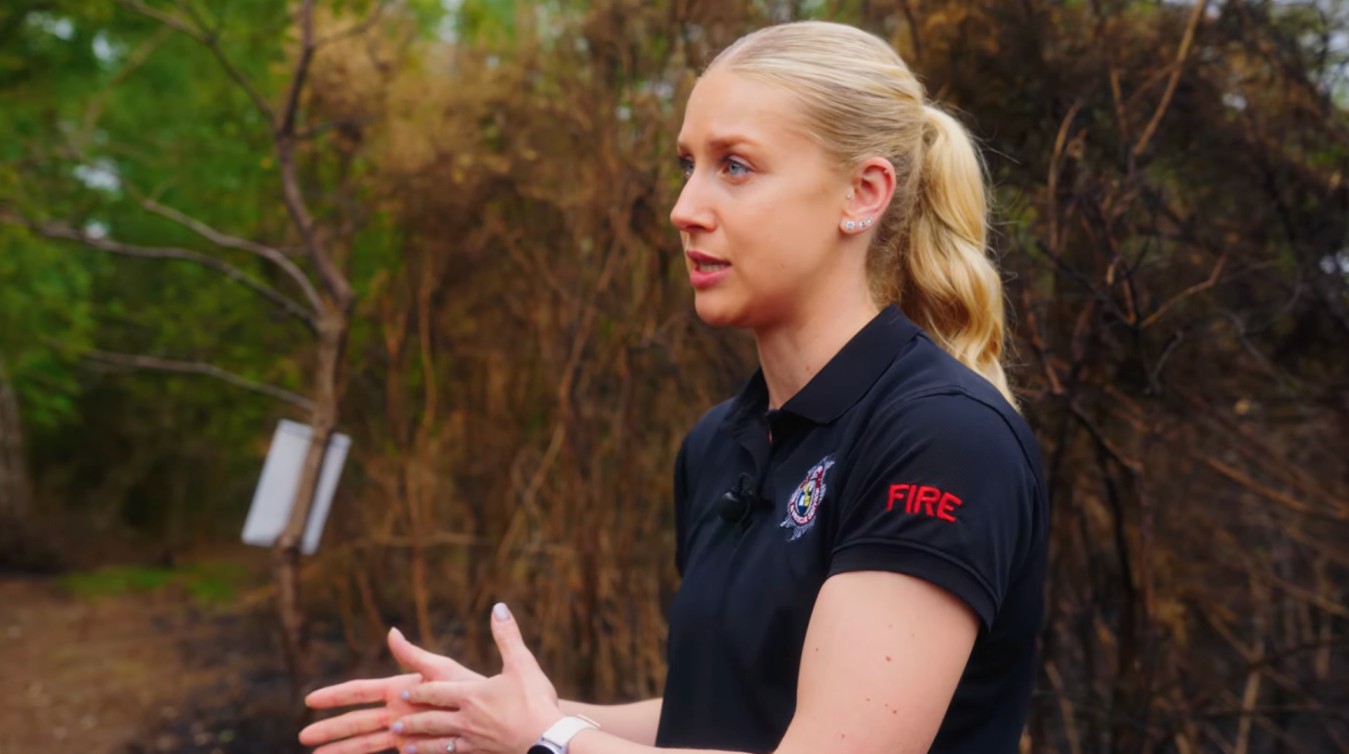
In this bumper episode, we meet Marli from Surrey Fire and Rescue Service to talk all things wildfires and the increasing risks they pose to our commons and countryside. We’re also joined by Rupert and Becky from the Horsell Common Preservation Society for a reptile survey on Horsell Common, discovering more about the incredible wildlife that call it home. 🦎🍂🐍🌿 As always, a huge thank you to the Horsell Common Preservation Society, Thames Basin Heaths Partnership and Surrey Fire and Rescue Service for joining us and sharing your knowledge.
Protecting our commons 🧯🔥🌳
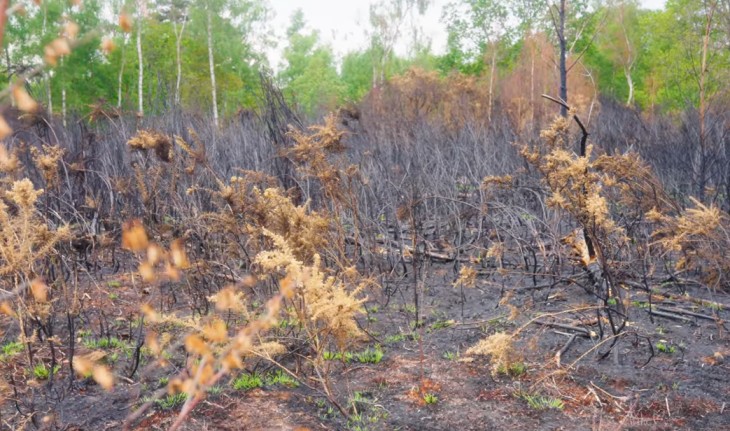
In April this year, Surrey Fire and Rescue responded to a huge wildfire on Whitmoor Common. While fire crews safely contained the blaze, the incident required 13 vehicles and 5 hours of intense work. Fire crew also used advanced drone technology to ensure the one-hectare site was safe. This incident was a stark reminder of how vulnerable these open spaces really are. Below are some key wildfire insights:
Wildfire season is getting longer
Due to changing climate patterns, wildfires are no longer just confined to the summer months. Fire services are now preparing for incidents from January right through to October! Unfortunately, dry heather, gorse and bracken act like tinder, meaning even the smallest spark can spread rapidly; particularly on windy days.
Human activity is the primary cause
Did you know that a staggering 99% of wildfires are caused by human behaviour? This leaves 1% attributed to natural causes, like lighting. Many human caused fires start through simple carelessness and often include:
- Disposable barbecues left unattended or not properly extinguished
- Campfires lit on open ground
- Litter – particularly cigarettes or discarded glass that can magnify sunlight
- Arson
“We want people to enjoy our open areas, but we need them to respect and care for them just as much as we do.”
Marli — Surrey Fire and Rescue
How are fire services adapting? 👨🏻🚒 🚒
Following record-breaking temperatures in recent years, local fire services have adapted their approach to wildfire response. Teams are now equipped with specialised, lightweight protective gear, dedicated off-road wildfire vehicles and drones. Drones can help crews map fires from above and locate people and livestock in affected areas. This gives teams a clearer picture of what is happening on the ground and helps them respond safely.
How is technology helping tackle wildfires?
As periods of dry weather become more frequent, fire services and land managers are exploring new ways to detect and respond to wildfires as quickly as possible. Increasingly, technology is becoming an important part of the solution. One exciting development is EmberEye, a wildfire detection system being explored by land managers across Surrey.
The technology uses small camera units, designed to blend into their surroundings and mounted in trees. These devices can detect smoke and heat from up to 100 metres away, providing an early warning when a fire is detected. Rather than relying solely on members of the public to spot and report a fire, the system can send an alert directly to a dashboard monitored by land managers or fire service control rooms. This could make a significant difference when it comes to responding to fires on large areas of open countryside. Many of Surrey’s commons are remote, with areas that can be difficult to see or access. A small fire could therefore go unnoticed until it has already spread considerably. But, technology alone can’t prevent wildfires. So, how can we help prevent wildfires?
- 🥪 Don’t use disposable barbecues! One of the easiest ways to reduce the risk is to avoid disposable barbecues altogether. Instead, why not pack a picnic? Disposable barbecues can remain extremely hot long after they’ve been used and can easily ignite dry grass, heather, gorse and bracken.
- 🗑️ Take your litter home! A simple rule when enjoying the countryside is to leave it as you found it. Take your litter home with you or dispose of it responsibly in a suitable bin. Discarded items can create a fire risk, particularly during dry periods.
- 🚭 Dispose of cigarettes responsibly. Cigarettes and other sources of ignition can pose a serious risk when vegetation is dry. Even when we’ve had rain, the ground may not be as damp as it appears. Rain can sometimes only penetrate the surface, while a few warm or windy days can quickly dry out vegetation again.
- 🔥 If you see a fire, report it:
– Call 999 immediately. Never assume someone else has reported a fire. Even if it looks small, report it right away.
– Use What3Words. Use the free What3Words app to give emergency services your exact location in open country.
– Keep your distance. Once you’ve reported a fire, move to a safe location. Never try to tackle a wildfire yourself.
Watch episode 7 now
As wildfire risks increase, protecting our local areas will require a combination of awareness, responsible behaviour, effective land management and new technology. Together, we can all do our part to keep our communities and wildlife safe. Check out the full video below.👇🏼 Please like and subscribe to our Surrey Uncommon YouTube channel. 🩷🔔 Missed the latest episode? Catch up here and see you all on Episode 8!